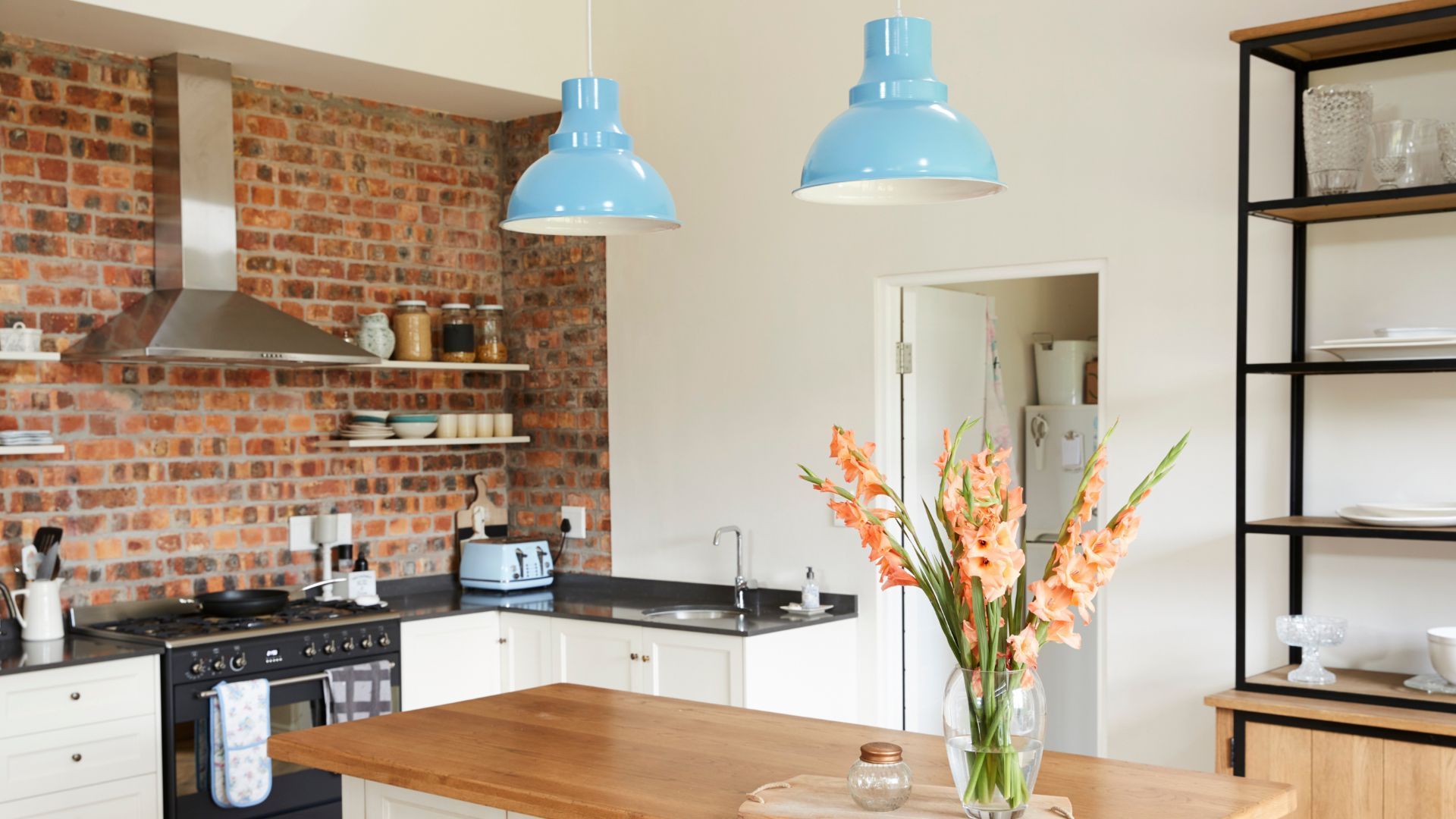
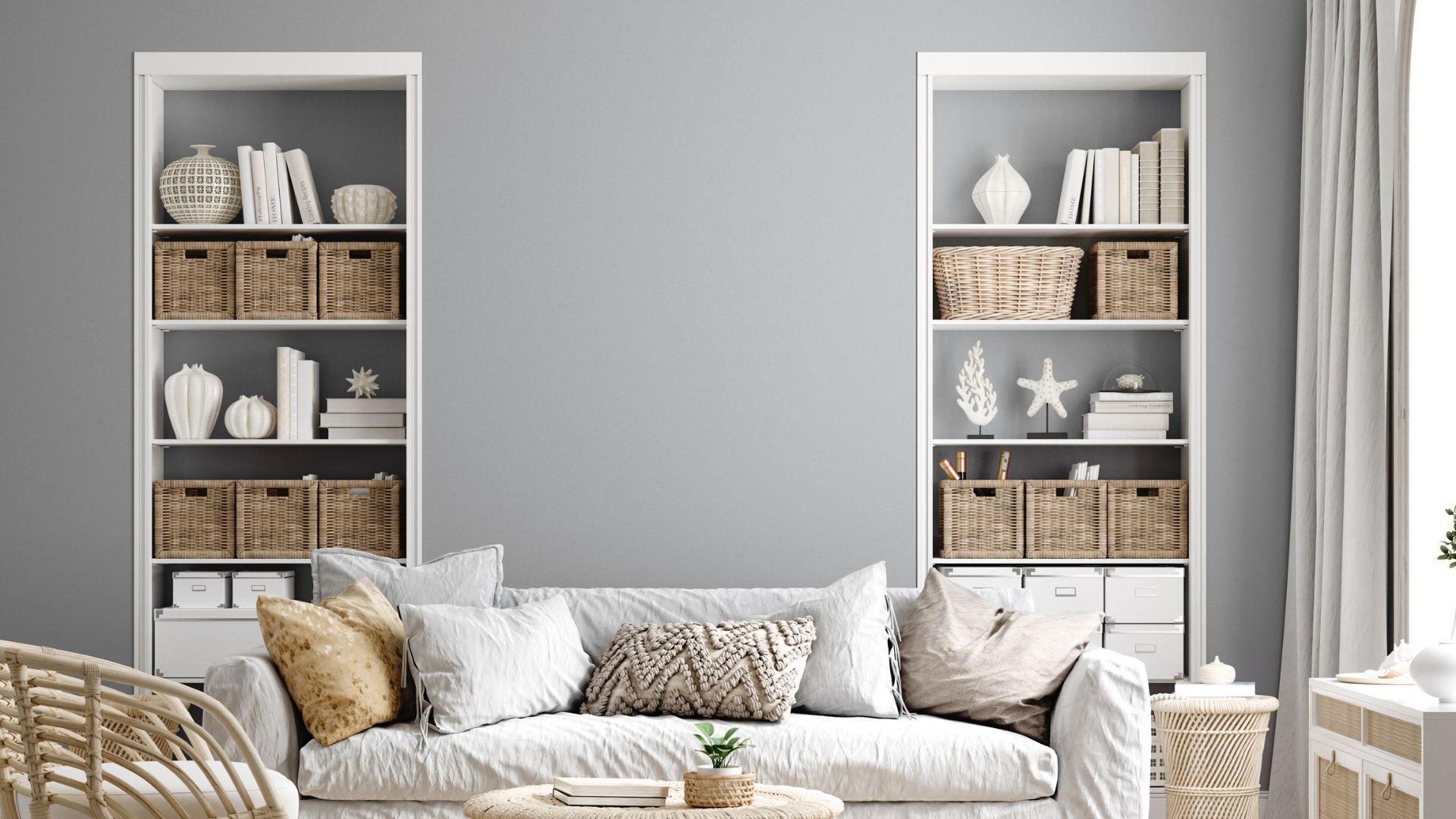
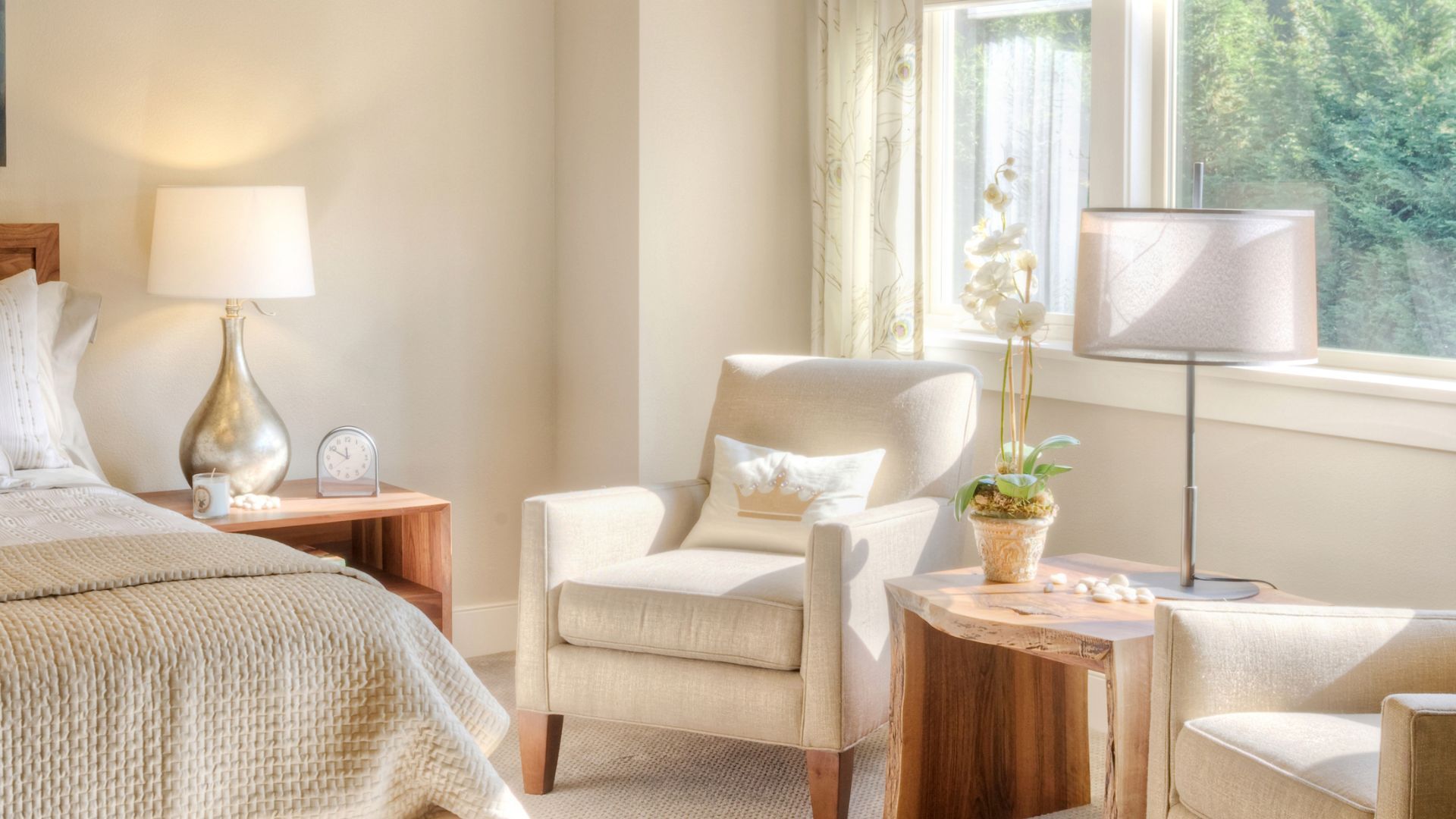
Stylish Eco-Friendly Paint Options for Rhode Island Homes
Eco-friendly paint has become an essential component in modern interior painting services in Rhode Island, combining sustainability with aesthetic quality and performance. Many homeowners and businesses are increasingly aware that traditional paints often contain volatile organic compounds (VOCs) and other harmful chemicals that can negatively affect indoor air quality and the environment. As a result, eco-friendly paint products—including low-VOC and non-toxic formulations—are being adopted to reduce environmental impact while also supporting healthier living environments. In fact, interior painting services Rhode Island frequently integrate sustainable practices into their projects, further enhancing the appeal of these eco-friendly solutions. This shift is particularly relevant in Rhode Island, where environmentally friendly practices are gaining traction alongside energy efficiency and green living trends.
Eco-friendly paints protect both the health of occupants and the natural surroundings by reducing the release of harmful emissions during and after application. These products are formulated from safer chemicals, natural ingredients, and renewable materials, ensuring that their use contributes to a smaller carbon footprint. Homeowners are finding that these sustainable options often provide competitive durability and coverage compared to conventional paints. Additionally, local suppliers in Rhode Island are increasingly stocking green paint brands that offer various hues and finishes to suit every interior design style, from modern minimalism to classic elegance.
Moreover, adopting eco-friendly painting practices aligns with broader trends toward sustainable renovation and green building certifications. With rising awareness about climate change and indoor air quality, many residential and commercial properties in Rhode Island are seeking interior painting services that not only beautify spaces but also safeguard occupant health. This article will explore sustainable paint options for transforming Rhode Island homes, discussing eco-friendly products, color scheme selection, application techniques, and maintenance strategies—all while highlighting why choosing non-toxic, environmentally responsible solutions is crucial for a greener future.
Transitioning to the main content, the following sections provide a detailed guide on selecting the right eco-friendly paint products and methodologies. This comprehensive guide is designed to cater specifically to the needs of homeowners and businesses in Rhode Island interested in sustainable interior painting services.
Transform Your Rhode Island Home With Sustainable Paint Options
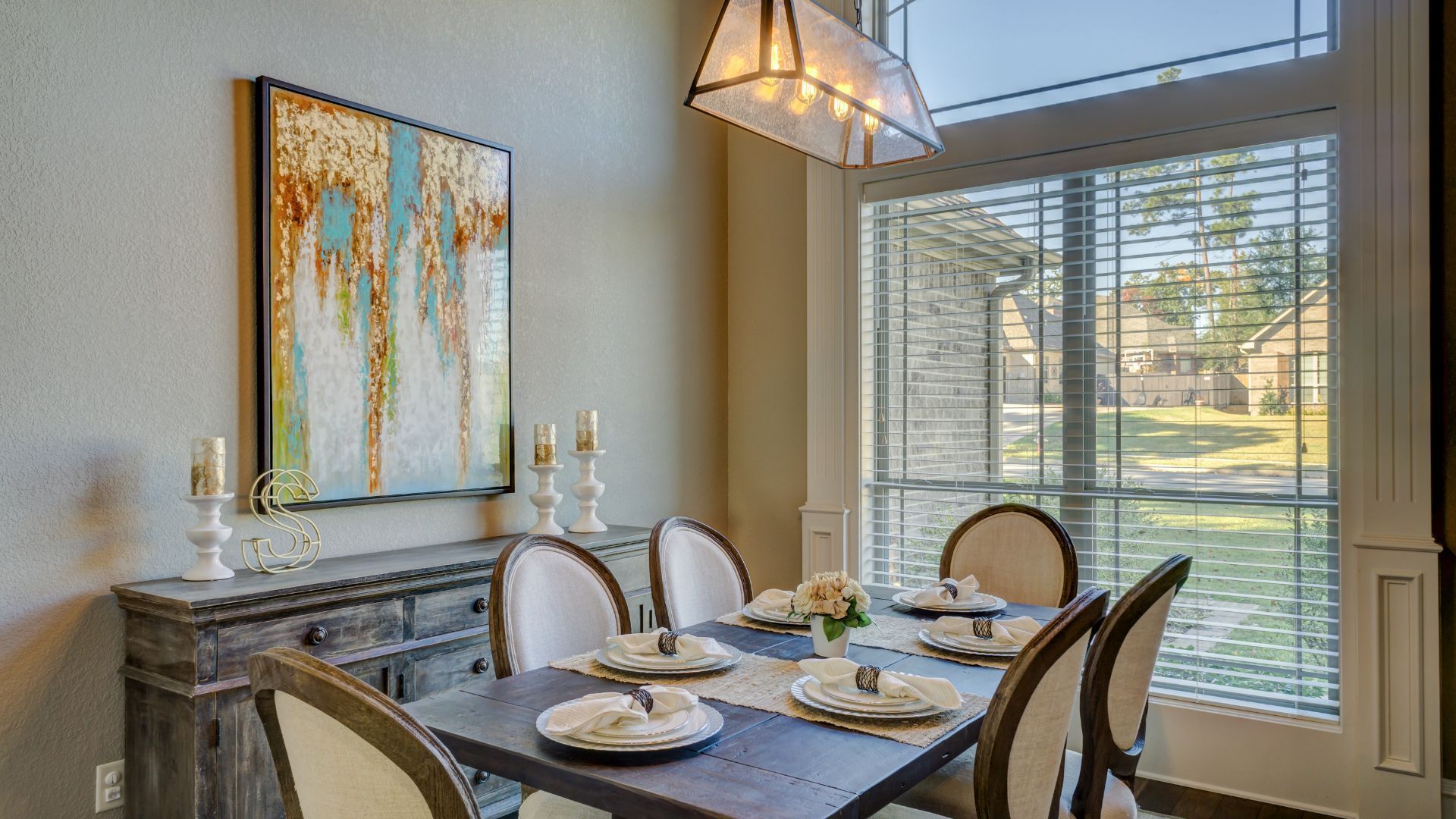
When transforming your Rhode Island home with sustainable paint options, it is vital to understand the numerous benefits eco-friendly paints provide. Eco-friendly paint products are designed to minimize the harmful effects associated with traditional paints, including reducing VOC emissions, protecting indoor air quality, and mitigating environmental damage. These eco-conscious choices are not only healthy for the environment and your indoor spaces but also offer a durability and finish that rivals traditional coatings.
Sustainable paint options include low-VOC, zero-VOC, and water-based formulas, which reduce the emission of toxic chemicals during application and drying. Such products are beneficial especially in residential areas and commercial settings that prioritize occupant well-being. Many eco-friendly paints are produced using natural mineral pigments and environmentally responsible solvents, contributing to an overall reduction in chemical use. By using these formulations, homeowners can achieve vibrant, long-lasting colors without the associated health risks present in conventional products.
Comparing different types of eco-conscious paint choices reveals that some products excel at durability while others focus on minimal environmental impact. For instance, water-based acrylic paints not only provide excellent coverage and resistance to fading but also dry faster and with lower odor. Additionally, natural paints made from clay, chalk, or plant-based oils further reduce risks and often deliver a unique textured finish that enhances the character of a space. Many sustainable paint brands have also invested in independent laboratory studies that confirm their low emission profiles and performance durability. For example, a 2021 study by the U.S. Green Building Council demonstrated that low-VOC paints significantly reduce indoor air pollutants, resulting in up to a 30% improvement in indoor air quality in tested environments.
Local suppliers in Rhode Island have noticed the growing demand for these products. They offer an expanding range of green paint options, often accompanied by expert advice on proper application techniques and matching color schemes to enhance the overall aesthetic of a residence. Price ranges can vary, but the long-term benefits—such as improved air quality and potential energy savings—often justify the slightly higher upfront cost associated with sustainable products.
Eco-friendly paint also integrates with modern trends in home decor and interior design. The market offers a broad spectrum of colors that mimic natural hues influenced by regional Rhode Island landscapes—think coastal blues, earthy greens, and soft neutrals—that add warmth and intimacy to any interior space. Additionally, using sustainable paint options is an excellent selling point for eco-conscious buyers if you ever decide to list your home in the future.
Key Takeaways: - Eco-friendly paint products drastically reduce VOC emissions and improve indoor air quality. - Sustainable options include low-VOC, zero-VOC, water-based acrylic, and natural paints. - Local Rhode Island suppliers offer diverse eco-conscious choices complemented by expert advice. - Upfront costs may be higher, but the long-term health and environmental benefits are significant. - Natural pigments and eco formulations contribute to unique finishes that enhance interior aesthetics.
Choose the Right Color Scheme to Refresh Your Space
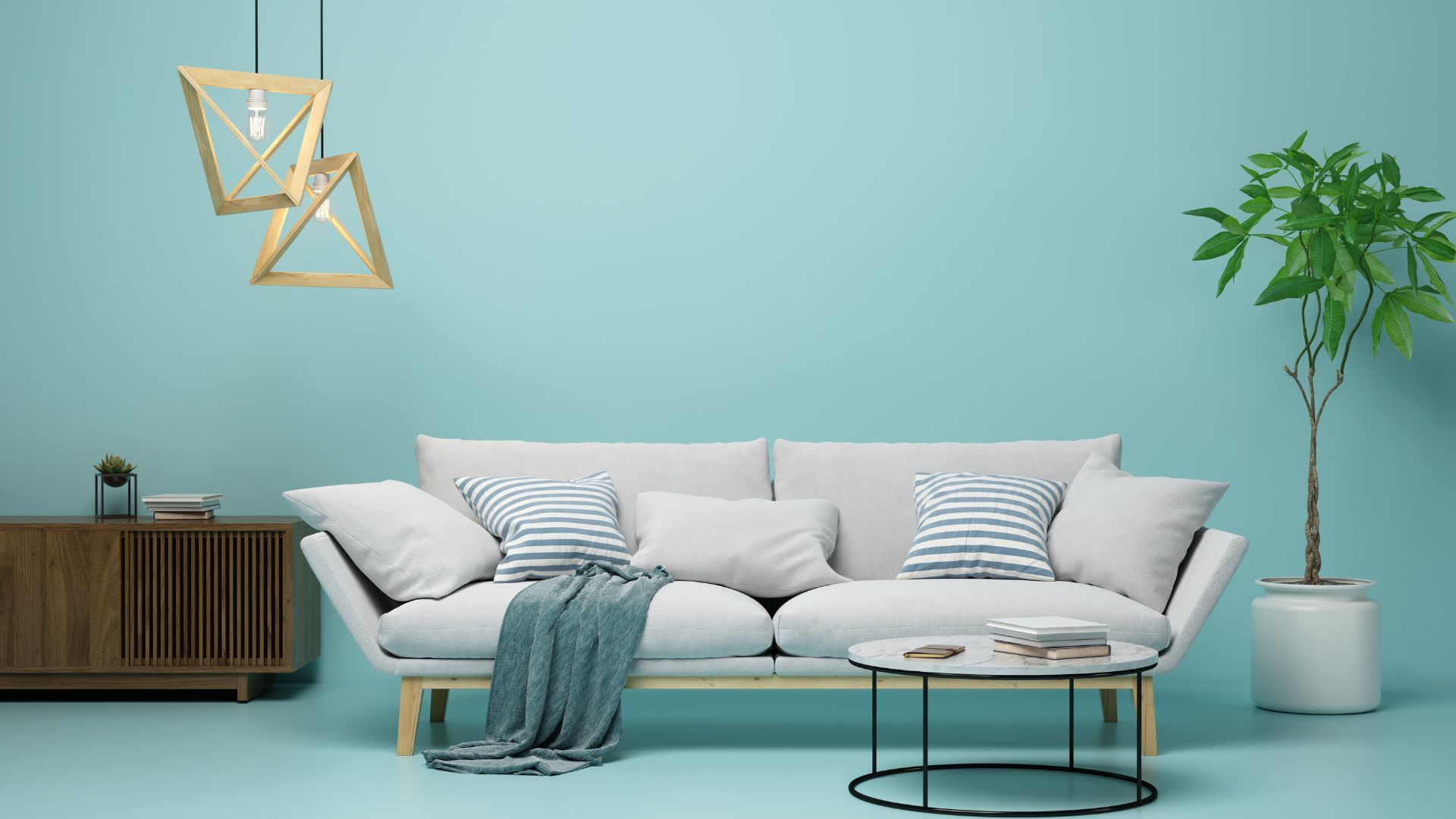
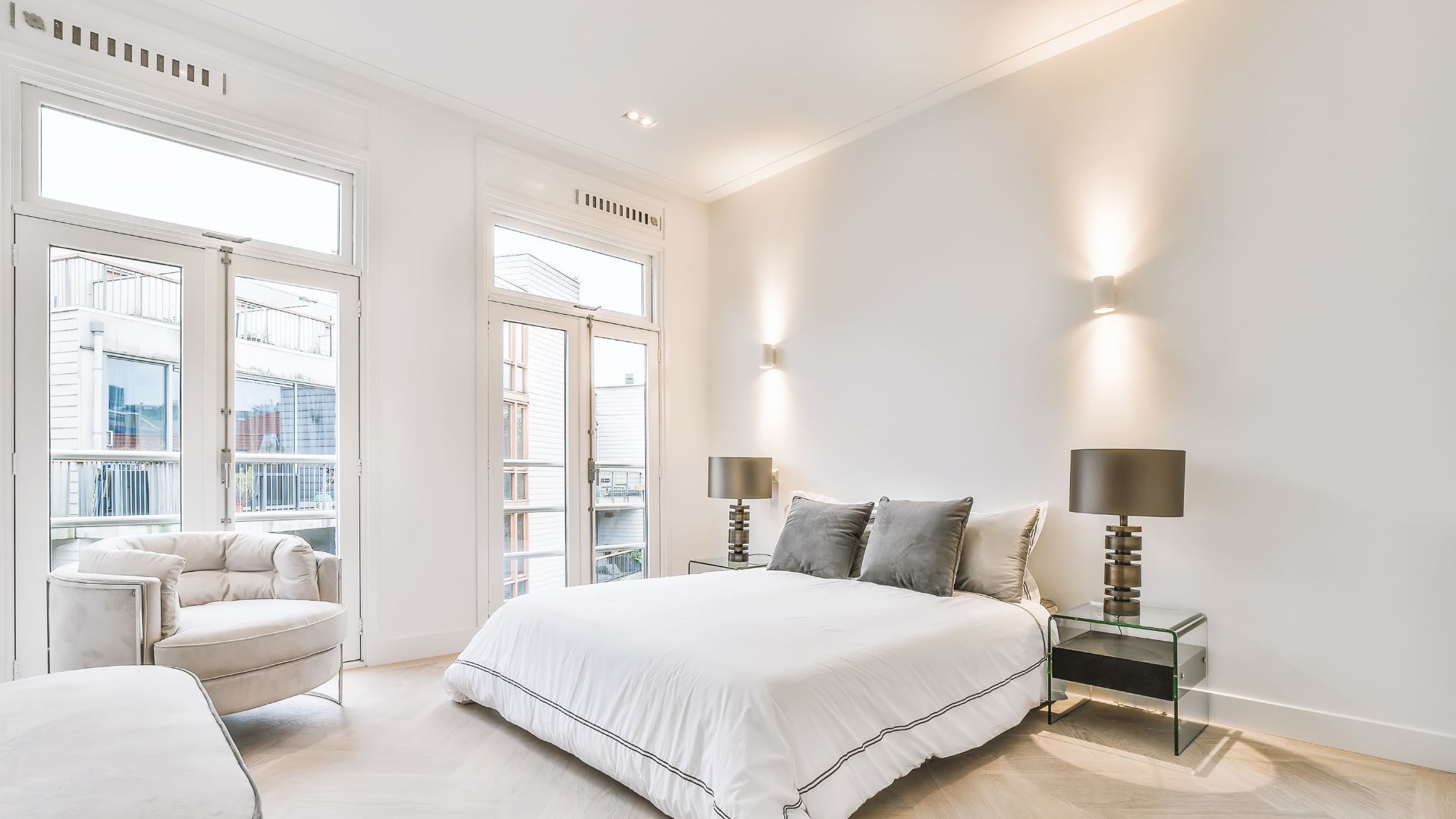
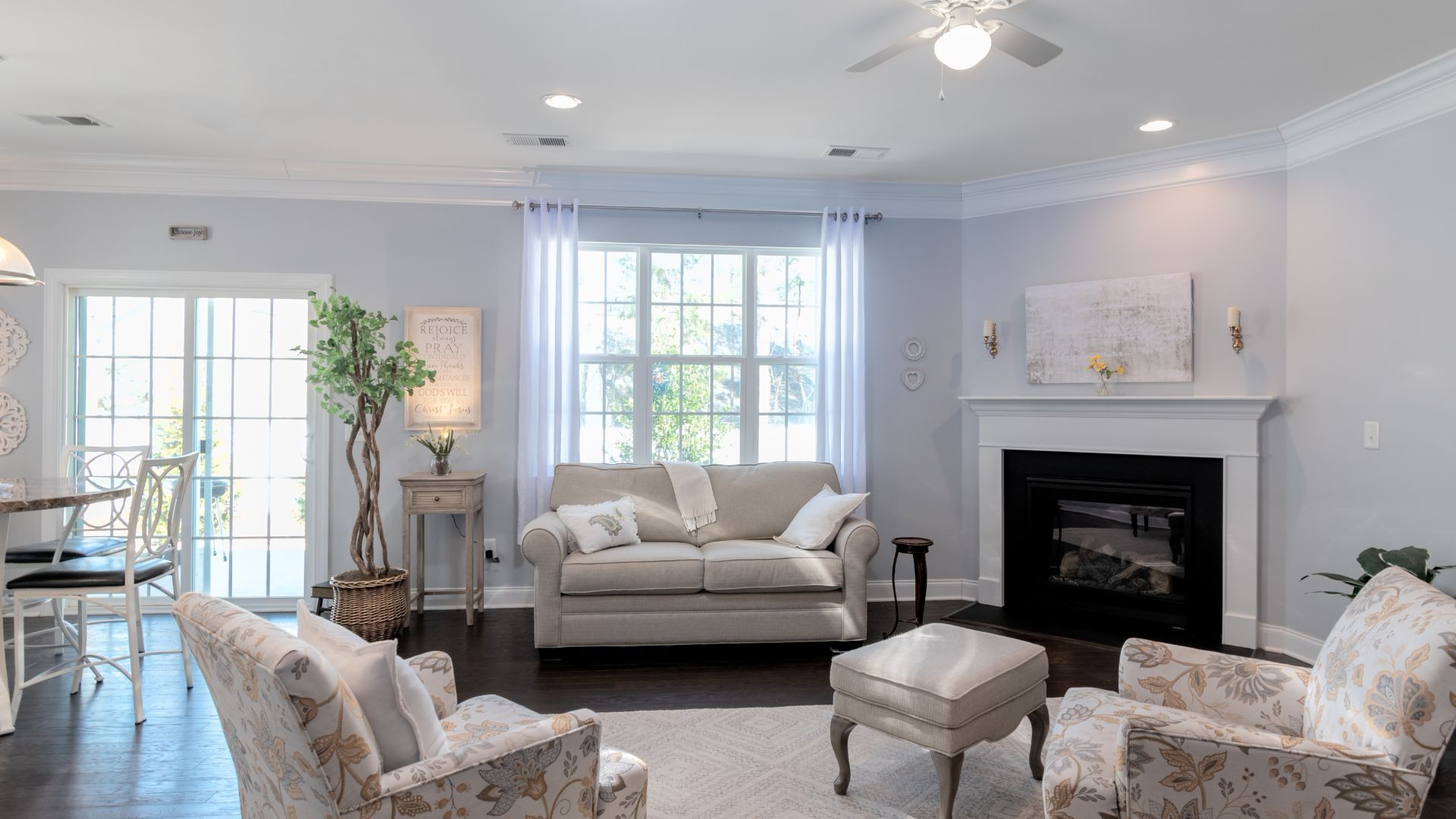
Choosing the right color scheme is crucial for refreshing your space, and when paired with eco-friendly paint, it complements both your interior design goals and sustainability values. A well-researched color palette can elevate the ambiance of modern homes while also influencing mood and even productivity. Popular color trends for eco-friendly homes today include muted earth tones, soft pastels, and accent colors that evoke a natural, organic feel.
Research shows that colors influence behavior and emotions. For instance, blue hues are known to promote calmness and productivity, making them ideal for home offices, whereas greens are associated with nature and balance—perfect for living spaces that aim to connect indoors with the outdoors. Homeowners in Rhode Island, a state known for its coastal charm and rustic landscapes, may find inspiration in these natural palettes to create a calming and inviting atmosphere.
Utilizing color psychology, interior designers often recommend integrating both light and dark shades to create contrast and depth in a room. Soft neutral backgrounds accented with bold, vibrant elements not only add visual interest but also allow for personalization and flexibility as design trends evolve. Testing with small samples before committing to a full room application is a smart strategy to ensure the colors complement your space. Many eco-friendly paint suppliers offer sample sizes, allowing homeowners to observe how colors interact with your natural lighting before making a purchase.
Selecting combinations that enhance your home’s aesthetic involves considering the overall layout and existing decor. Color combinations like sage green with cream and terracotta or navy paired with soft gray work well to create a cohesive look. Additionally, seasonal color variations can be tailored to suit changing moods and preferences; for example, warmer, richer hues during the fall season can foster a cozy environment. Homeowners can consult local design experts or use digital tools to simulate various combinations, ensuring that each selection harmonizes with both the interior elements and the exterior architectural style.
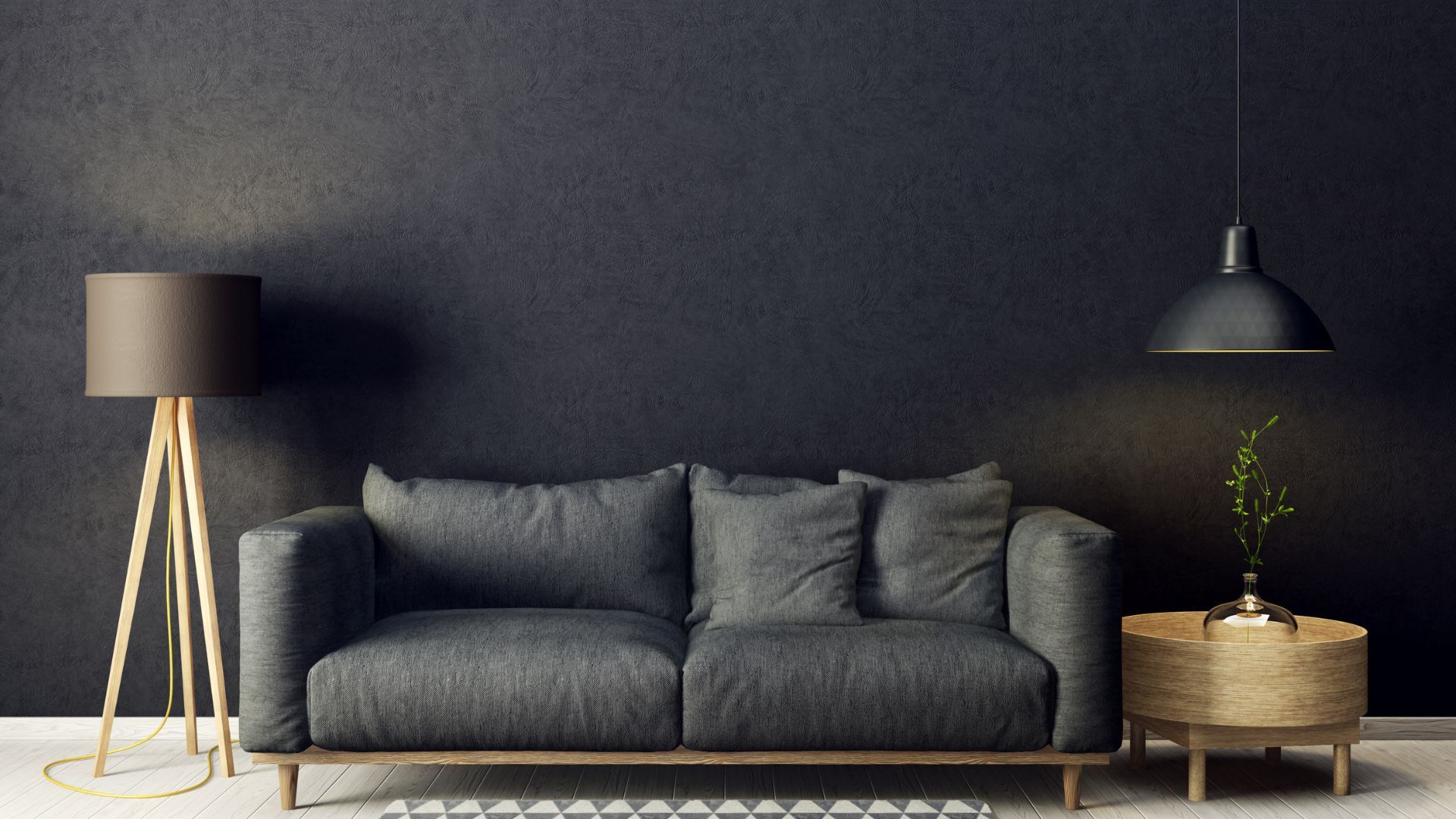
Moreover, personalizing your color scheme based on room function can lead to both aesthetic and practical benefits. For example, using lighter shades in small rooms can create an illusion of space, while darker accents in large public areas can enhance elegance and reduce noise reverberation. The right color scheme, when paired with sustainable paint options, not only reduces environmental harm but also boosts the overall visual appeal of your home.
In addition, many emerging brands offer eco-friendly paints that are attuned to modern color trends, ensuring that your home remains stylish while also supporting a healthy environment. Advances in printing technology and natural dye extraction have enabled a broader range of color consistency and durability, further supporting the decision to go green.
Key Takeaways: - A strategic color scheme enhances both the aesthetic and mood of your home. - Research-backed color psychology informs the use of calming blues, balancing greens, and accent shades. - Testing colors with samples helps ensure they perform well under local Rhode Island lighting. - Combining neutrals with bold accents allows for dynamic, seasonal, and room-specific color designs. - Sustainable paints now offer extensive, on-trend color options that match modern design needs.
Learn the Application Techniques for Eco-Friendly Paint
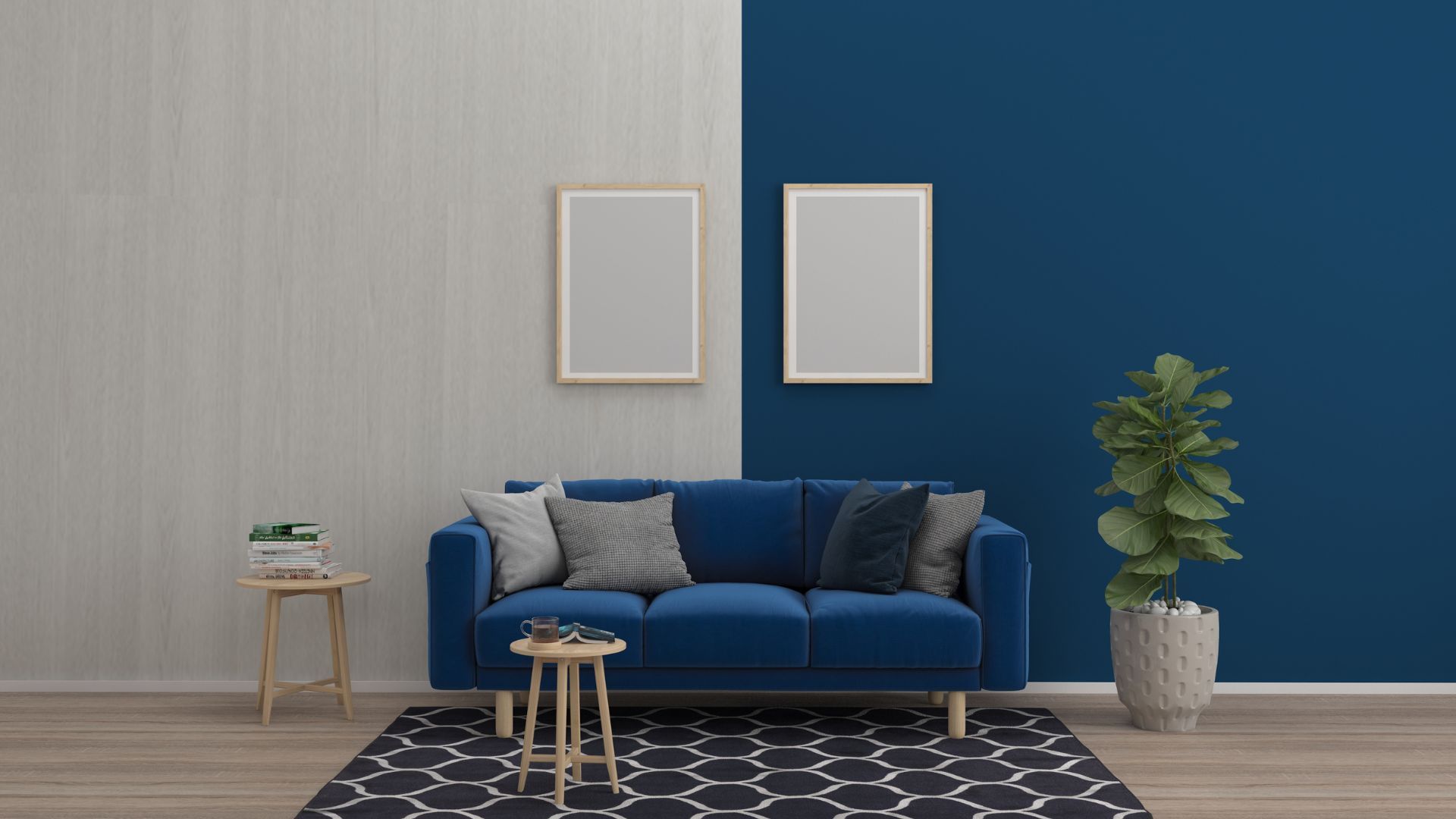
Learning the proper application techniques for eco-friendly paint is crucial to achieving a professional finish and ensuring the longevity of your interior surfaces. Proper preparation of walls, appropriate tool selection, and adherence to best practices all contribute to a successful sustainable painting project. The first step is preparing your surfaces; ensuring that walls are clean, dry, and free of any dust or residues not only enhances the adhesion of the paint but also improves the overall appearance after completion.
Before painting, it is advisable to inspect your walls for any imperfections and sand or patch them accordingly. Eco-friendly paints often demand a well-prepped surface to maximize coverage and reduce the number of required coats. Homeowners should use gentle cleaning agents specifically designed for delicate surfaces to avoid damaging the substrate. In addition to cleaning, applying a consistent base coat, especially on previously painted surfaces, can improve the vibrancy and uniformity of the final color.
Choosing eco-friendly tools is another fundamental aspect of sustainable painting. Brushes, rollers, and sprayers that are designed for low-residue application can help reduce environmental impact by minimizing waste and ensuring optimal coverage. Using tools that are easily cleaned and maintained can further extend their life and reduce the frequency of replacement, thereby lowering the overall resource consumption. Additionally, many experts recommend using natural, biodegradable cleaning solutions for these tools to keep the process as eco-conscious as possible.
Following best practices for applying non-toxic paints is essential for a smooth finish. Techniques such as cutting in along edges, ensuring even pressure in roller application, and using a consistent method across large areas contribute to a professional look. While the drying times for eco-friendly paints may vary, it is important to always follow the manufacturer’s recommended drying periods. Proper ventilation during application not only accelerates drying but also guarantees that the minimal fumes produced are quickly dispersed, maintaining indoor air quality.
Homeowners should also be prepared to tackle common painting challenges, such as brush marks, uneven textures, or issues arising from rapid drying in certain climates. Sustainable methods such as re-wetting the edges of painted areas or using an additional skim coat can effectively mitigate these issues. In some cases, using a dehumidifier or portable fan in confined spaces can create more controlled drying conditions, resulting in a smoother finish.
A peer-reviewed study published in the Journal of Environmental Health found that using eco-friendly, water-based paints reduced pollutant levels by up to 40% compared to conventional solvent-based paints. The study (Anderson et al., 2020) detailed that optimized application techniques and proper surface preparation contributed significantly to these improvements, emphasizing the role of methodical application in maximizing both performance and health benefits. Their research highlighted that careful adherence to manufacturer recommendations not only preserved the integrity of painted surfaces but also minimized environmental and health risks associated with paint application.
Key Takeaways: - Preparing walls through cleaning, sanding, and priming is essential for optimal paint adhesion. - Eco-friendly tools and biodegradable cleaning solutions support sustainable application. - Best practices and proper ventilation enhance the finish and reduce drying issues. - Addressing common challenges with planned techniques leads to a professional result. - Research confirms that water-based eco-friendly paints significantly lower pollution levels.
Maintain Your Freshly Painted Surfaces Effortlessly
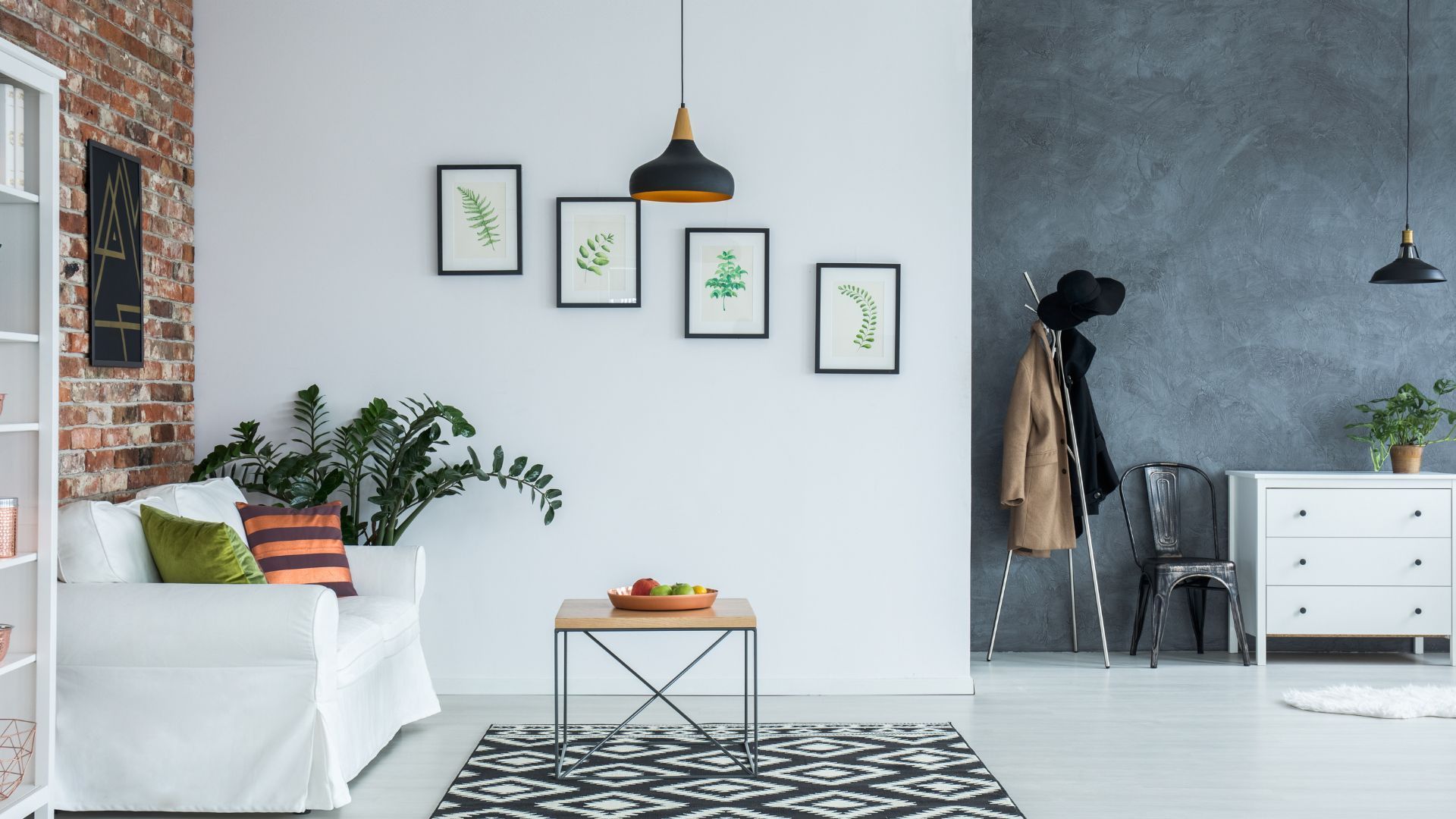
Once your interior painting project in Rhode Island is complete, maintaining the beauty and integrity of your freshly painted walls becomes the next priority. Regular maintenance not only prolongs the aesthetic appeal of your surfaces but also helps in preserving the eco-friendly qualities of the paint. Using gentle cleaning products is highly recommended, as harsh chemicals can degrade non-toxic, eco-friendly paints over time. Instead, opt for natural, plant-based cleaning solutions that effectively remove dirt and stains without stripping the protective layer from your walls.
It is a good idea to set up a regular inspection schedule for your painted surfaces. Frequently checking for signs of wear and tear, such as peeling, cracking, or fading, allows you to address issues early before they escalate into more significant problems. Scheduling touch-ups can ensure that any minor imperfections are remedied quickly, preserving the overall look and functionality of your space. In addition, some eco-friendly paint formulations are designed to be more resistant to UV exposure and humidity, which is particularly important in Rhode Island’s variable climate. Applying a protective top coat or sealant compatible with eco-friendly paints can further shield your surfaces against environmental damage.
Maintaining freshly painted interiors involves both routine cleaning and proactive care. For instance, using soft microfiber cloths for dusting and avoiding abrasive cleaning tools can make a dramatic difference. These gentle methods not only keep your walls looking new but also extend the life of the sustainable paint layer. Combining minimalistic decor principles with regular cleaning habits means that surfaces are less likely to accumulate dust and grime, simplifying the maintenance process.
A practical maintenance checklist for eco-friendly painted surfaces might include: 1. Weekly light dusting with a microfiber cloth to prevent buildup. 2. Monthly gentle cleaning using approved non-toxic cleaning solutions. 3. Quarterly inspections to catch any early signs of wear. 4. Annual reapplication of a protective sealant, if needed, to enhance durability. 5. Immediate touch-ups in high-traffic areas to prevent damage from environmental factors.
Economic and environmental benefits are also evident in maintaining your surfaces well. By extending the life of your paint job, you reduce waste and avoid frequent repainting, which in turn minimizes the consumption of resources required for new products. This proactive approach not only supports sustainable living but also maximizes the return on investment in eco-friendly interior painting services.
Complementary to these maintenance practices, some local Rhode Island service providers offer annual or bi-annual maintenance packages tailored for eco-friendly finishes, ensuring that your home remains vibrant throughout the year with minimal effort on your part.
Key Takeaways: - Use gentle, eco-friendly cleaning products to preserve the integrity of sustainable paint. - Regular inspections and scheduled touch-ups are crucial to maintain a fresh appearance. - Protective top coats and compatible sealants guard against UV exposure and humidity. - Proactive maintenance reduces the need for frequent repainting and resource consumption. - Long-term care practices align with sustainable living and cost-effectiveness.
Involve Your Family in Eco-Friendly Painting Projects
Involving your family in eco-friendly painting projects can transform a mundane home improvement task into a collaborative, educational, and fun experience. When everyone participates, it not only speeds up the process but also instills awareness and pride in sustainable living practices. Organizing painting days where family members contribute to the project can become a time for learning valuable skills—such as preparation, application, and proper maintenance—while also reinforcing the benefits of non-toxic interior choices for health and the environment.
Family painting projects provide a hands-on learning experience about eco-friendly practices. Children can learn why certain products are chosen over others and how these sustainable products help reduce environmental impact. This involvement makes it easier for younger generations to understand concepts like VOCs and the benefits of water-based, eco-friendly paints. Moreover, shared family projects are an excellent opportunity to blend creativity with environmental stewardship, creating lasting memories while making lasting improvements to the home.
Including fun activities during the painting process can further engage family members. For example, turning the selection of color samples into a game or competition, where kids vote on the best hue that matches the natural elements outside, can spark imaginative discussions about nature and design. Parents can use these moments to explain how color choices can affect mood, air quality, and even energy usage in the home. Additionally, some studies indicate that shared creative projects improve family bonding and communication, leading to more harmonious living spaces.
Family roles can vary during these projects. Parents might handle surface preparation while older children manage simpler tasks like painting accent areas or mixing colors. Younger children can assist by setting up supplies or decorating protective coverings. This division not only simplifies the overall process but also enhances a sense of ownership among all family members towards maintaining a sustainably renovated home.
Involving the family in these efforts reinforces a culture of eco-consciousness long-term, making environmentally responsible choices a natural part of daily life. It also provides a unique platform for discussions about the importance of indoor health, reducing environmental toxins, and ultimately contributing to community-wide sustainability goals in Rhode Island.
Key Takeaways: - Family involvement in painting projects promotes teamwork and sustainability education. - Shared activities create memorable experiences while teaching eco-friendly practices. - Engaging children in simple tasks builds early awareness of environmental responsibility. - Collaborative projects can improve family communication and creativity. - Involving every family member ensures long-term commitment to eco-friendly home care.
Discover Eco-Friendly Decor to Complement Your Painting
Eco-friendly decor is an essential element that complements sustainable interior painting, ultimately creating a harmonious and environmentally responsible home. By selecting furnishings and accessories made from sustainable materials, homeowners can extend their commitment to eco-friendly choices throughout every aspect of their living spaces. This integration elevates interior aesthetics while optimizing the health benefits afforded by non-toxic paint and green decor. In Rhode Island, where local artisan markets and eco-conscious brands are thriving, there is a wealth of options available to homeowners seeking to refresh their décor without compromising environmental values.
Selecting furniture made from reclaimed wood or sustainably sourced materials not only provides a unique and stylish character to your interiors but also reduces the need for new resource extraction. Many manufacturers now adhere to strict sustainability guidelines, making it easier for consumers to identify pieces that are both attractive and eco-friendly. Similarly, browsing for green textiles can uncover a variety of options, such as organic cotton drapes, recycled polyester cushions, or hemp rugs that add texture and warmth to your home while minimizing environmental impact.
Indoor plants offer another powerful way to improve air quality and enhance aesthetics. These natural elements work synergistically with eco-friendly paint, promoting healthier indoor environments by absorbing pollutants and releasing oxygen. Moreover, plants like snake plants, spider plants, and peace lilies not only support air purification but also introduce a calming, biophilic element to your decor that is highly valued by both environmental enthusiasts and interior designers.
Incorporating eco-conscious home accessories can involve a variety of creative choices. Decorative items crafted from recycled glass, metal, or even upcycled materials add an innovative twist to your decor. Additionally, energy-efficient lighting options, such as LED fixtures, further support a sustainable lifestyle by reducing energy consumption and lowering utility bills. Homeowners may also explore local artisan markets for unique finds that carry a story, thereby fostering community connections and supporting local craftsmanship.
To ensure that your eco-friendly decor matches your painting, it is important to create a cohesive aesthetic. Matching your decor style involves considering the color palette, materials, and overall theme of your home. Minimalist decor ideas, for example, can enhance the clean, modern lines established by eco-friendly paints, while vintage or reclaimed styles might offer surprising contrast when paired with contemporary eco-products. Using digital design tools or consulting with design experts can help achieve this balance while ensuring that every element in your home contributes to a unified, eco-conscious vision.
Key Takeaways: - Eco-friendly decor extends the sustainability of your interior painting choices. - Sustainable furniture and green textiles create a cohesive, modern aesthetic. - Indoor plants naturally improve air quality and add biophilic charm. - Recycled and upcycled accessories support local artisans and reduce waste. - Matching decor to eco-friendly paints results in a unified and healthful home environment.
Frequently Asked Questions
Q: What makes eco-friendly paint different from traditional paint?
A: Eco-friendly paint contains low or zero VOCs, uses natural ingredients, and produces less harmful emissions, resulting in safer indoor air quality and reduced environmental impact. This makes it an ideal choice for residential and commercial interior painting services in Rhode Island.
Q: How do I choose the right eco-friendly paint for my home?
A: Start by considering the finish, durability, and color options that suit your style. Look for products with certifications like Green Seal or GREENGUARD, which indicate low chemical emissions. Consulting local suppliers in Rhode Island can provide personalized guidance tailored to your project needs.
Q: Are there special techniques for applying eco-friendly paints?
A: Yes. Surface preparation is key, including thorough cleaning, sanding, and priming. Using eco-friendly tools and ensuring proper ventilation can improve application and drying times. Following manufacturer guidelines is critical for best results.
Q: How often should I maintain or repaint eco-friendly painted surfaces?
A: Regular maintenance, including gentle cleaning and periodic inspections, can extend the life of your paint. Depending on the environment and wear, touch-ups or a full repaint may be necessary every 5–7 years to maintain optimal appearance and protection.
Q: Can family members participate in eco-friendly painting projects?
A: Absolutely. Involving family members not only makes the project more enjoyable but also educates and reinforces sustainable practices. Activities can include color selection, simple applications, and routine maintenance, promoting eco-conscious behaviors from an early age.
Q: How do I ensure that my eco-friendly decor complements my sustainable paint?
A: Selecting decor made from sustainable or recycled materials that match your chosen color palette helps create a cohesive look. Incorporating natural elements like indoor plants and locally sourced accessories enhances both the aesthetic and the eco-friendly ethos of your home.
Q: Where can I find eco-friendly paint and decor in Rhode Island?
A: Many local suppliers and home improvement stores in Rhode Island now stock eco-friendly products. Additionally, artisan markets and dedicated green home stores offer a range of sustainable decor options that align with modern interior design trends.
Final Thoughts
Eco-friendly interior painting is not just a trend but a crucial step towards creating healthier, more sustainable homes in Rhode Island. By selecting sustainable paint, designing thoughtful color schemes, applying proper techniques, and maintaining surfaces vigilantly, homeowners can achieve both aesthetic beauty and environmental responsibility. Engaging the entire family in these projects further enhances the home improvement experience and reinforces eco-conscious living. With the right approach, your Rhode Island home can be transformed into a vibrant, eco-friendly sanctuary while supporting a greener future for all.